
Mold Remediation
Mold remediation contains and removes mold growth, cleans the affected space and corrects the moisture source behind the problem.
See mold remediationFor mold in carpet or under flooring in Artesia, your scope should cover moisture, containment, cleaning, drying and repair.
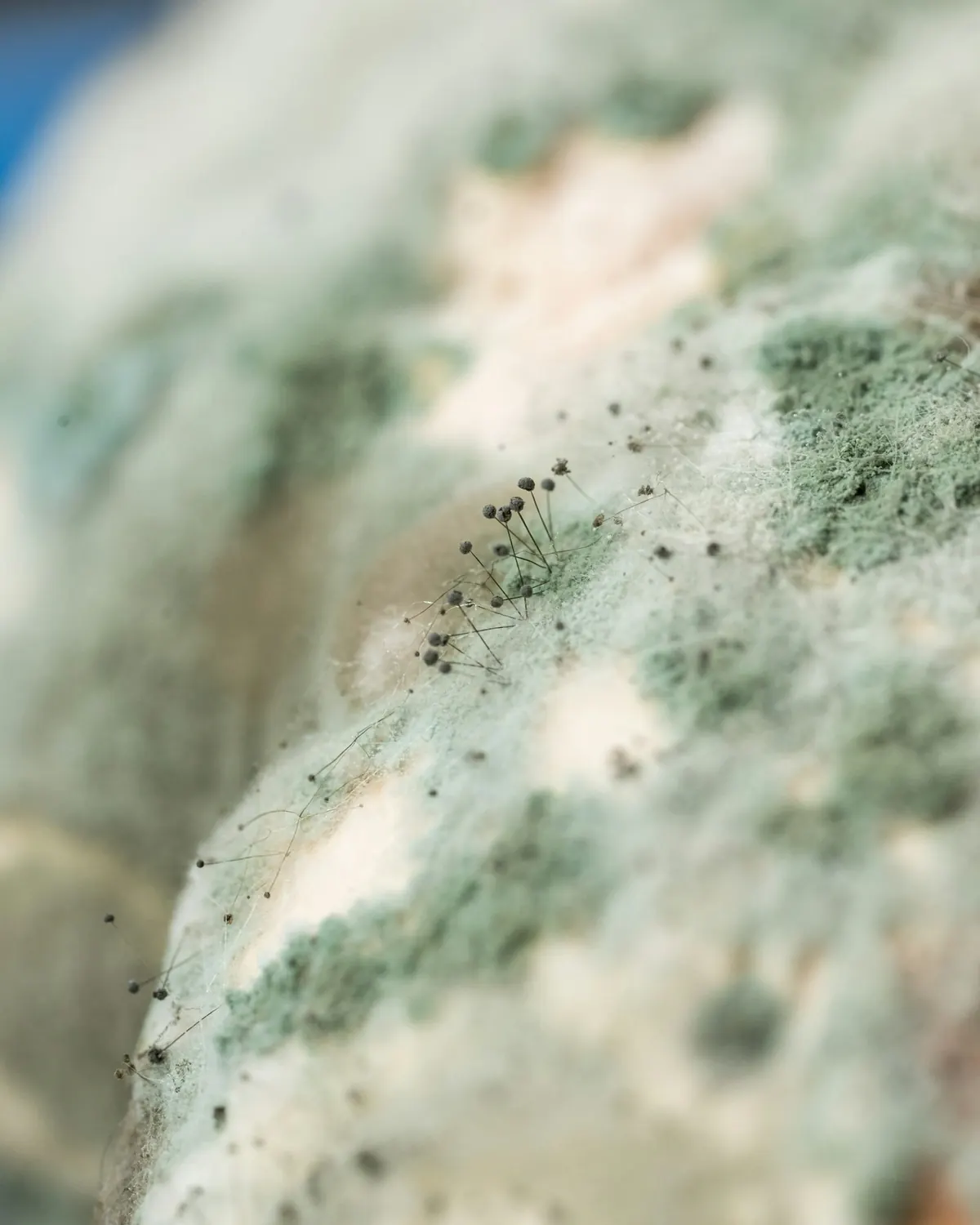
Before repairs begin, the work uncovers damp layers, cleans sound surfaces and removes damage.
Carpet mold removal sometimes includes taking out padding. When mold in subfloor panels is present, the damage may involve a plywood subfloor, joists or an OSB subfloor.
The written scope should list containment and the materials involved. It should also cover HEPA cleaning, moisture checks and the repair work after remediation.
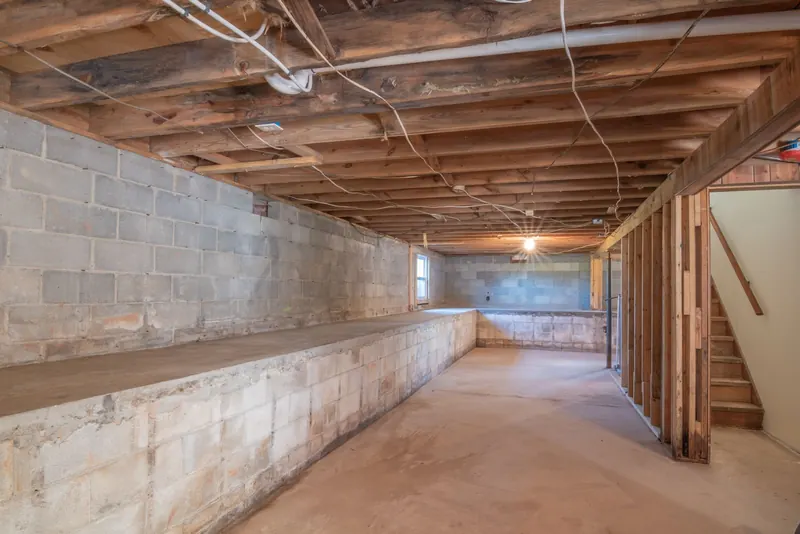
The scope should name removal limits, cleaning and repairs.
Any clearance testing should be performed by an independent assessor.
Request details about tracing and checking moisture ahead of repair work.
Ask about controls for barriers, debris and moving air.
Changes in the flooring or a damp odor are reasons to check for moisture.
Dark seams and floor cupping may indicate a leak or slab moisture.
Black mold in subfloor material is not evidence of an unusual hazard. CDC states that risk cannot be judged by color.
Swollen edges can mean planks and underlayment absorbed water.
Joists may be affected by leakage or damp air on any lower level.
Leave the floor undisturbed while you stop the water safely.
Call (844) 352-3560Flooring repair tied to mold has a Servpro listing of $200 to $550 while carpet repair or replacement has a listed range running from $775 through $2,600 for related work. During a water damage job, Fixr lists hardwood restoration at $10 to $15 for one square foot. This is not a removal quote.
The figures are published national cost guide ranges, not results of a property visit. Following an on-site assessment, the property price should be explained to you before any work begins.
Ask about cost: (844) 352-3560Your water source and policy control coverage. Sudden damage differs from long-term damage.
Slow leaks and repeated humidity are commonly excluded. Read the policy terms.
Promptly report it. Confirm the deductible, mold sublimit and approval requirements for removal.
Under California's housing law, visible mold found by a health officer or code enforcement officer can make a rental substandard. Renters can contact their local health or code enforcement department to ask for an inspection. Keep dated photos and messages about leaks, odor and access.
California's Toxic Mold Protection Act includes a landlord written-disclosure section (Health and Safety Code 26147). By its own wording it applies only after the state adopts mold exposure standards, and the state health department has said it could not set them. Your records should cover repairs, the scope, moisture readings and clearance findings.
Floor construction, accessibility and the cause of moisture determine the sequence.
Moisture readings guide openings. Mold cannot be identified with a thermal imaging camera.
Poly sheeting and an air filtration device help contain dust.
Workers lift and bag flooring layers within containment.
Damaged materials are removed to sound material.
Mold on surfaces is physically cleaned and HEPA vacuumed.
Air movers work with a dehumidifier to support structural drying. Repairs are guided by moisture readings.
Final cleaning removes dust. Clearance testing may follow independently.

Phone at any hour. Talk with a floor and subfloor mold removal specialist about what you are seeing and the steps ahead.
Surface cleaning may fail when concealed layers are affected or the water is contaminated.
Using negative air pressure with a containment barrier helps control mold spores, with support from a HEPA air scrubber.
Get professional help when sewage or contaminated water is involved.
Some people can experience allergy and asthma symptoms triggered by mold.
Can you clean it yourself? EPA notes that areas under about 10 square feet are often suitable for homeowner cleanup. Correct moisture first. Larger affected areas, HVAC issues and contaminated water require professional help.
Cleanable, dry and sound materials can remain, while damaged porous products may need removal.
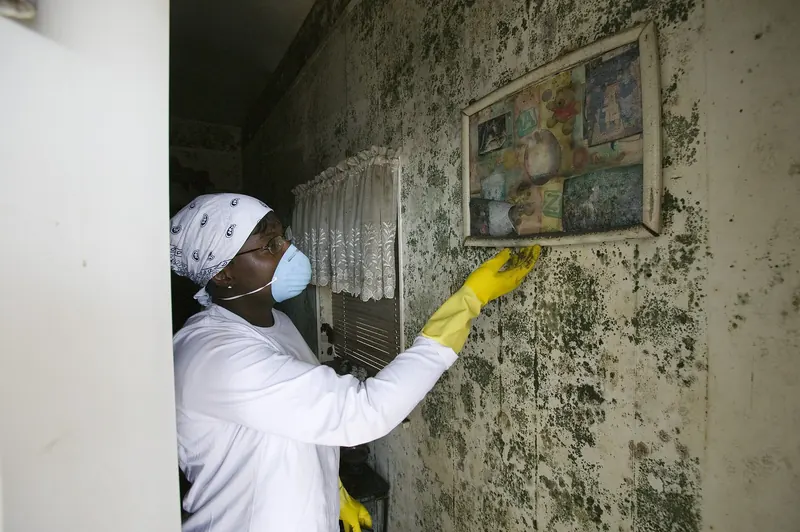
Access, dampness and repair needs after remediation determine the schedule.
Although a musty smell may point to wet flooring layers, it cannot show where moisture is located.
According to EPA, relative humidity should be under 60 percent and ideally 30 to 50 percent. Address leaking water and condensation.

The full floor and subfloor mold removal guide covers what is cleaned or removed, odor and air quality work, and the rules that apply in California.
Read the full floor and subfloor mold removal guideLocal humidity and housing, along with access to your property, can influence mold cleanup planning, moisture control and containment.
Since renters make up 50 percent of occupied homes in Artesia, you should record where water entered and notify the owner in writing before cleanup covers the evidence.
The local median build year is 1966, so a small visible patch may warrant checking the adjoining ceiling, flooring, or wall for moisture from an older component.
A single-family share of 71 percent means many properties have separate attics or foundations where damp wood and insulation can remain hidden from living areas.
Because 18 percent of seniors live alone, mold work should be explained in clear stages, including leak repair, removal, drying, and follow-up humidity control.
You can ask about mold cleanup in nearby communities and ZIP codes during the call.
Mold remediation contains and removes mold growth, cleans the affected space and corrects the moisture source behind the problem.
See mold remediation
Mold cleanup clears mold from materials and surfaces, puts damaged belongings into bags and prepares the space for repair work.
See mold cleanup
Hidden mold remediation locates and clears hidden mold behind wall surfaces, beneath flooring and over ceilings where it is out of view.
See hidden mold remediation (behind walls)
Water damage mold cleanup clears growth left by flooding or a leak, then dries the building materials to prevent a return.
See water damage mold cleanup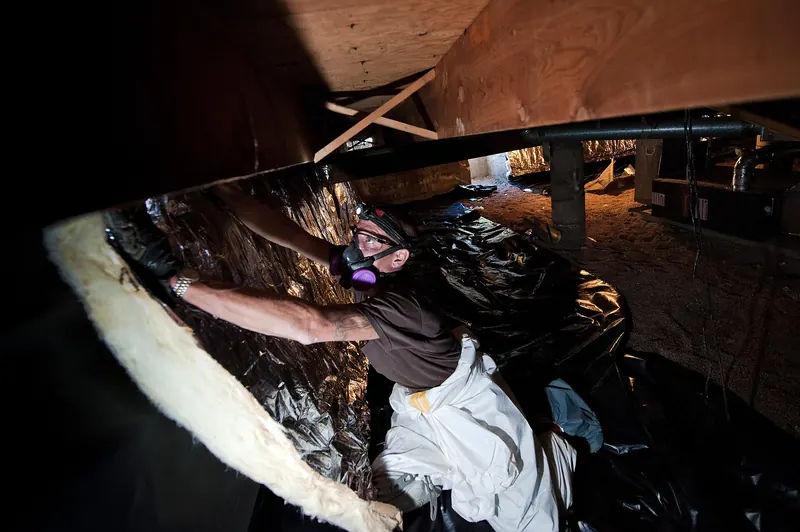
Crawl space mold removal cleans mold from joists, subfloor and insulation under the home and deals with the moisture feeding it.
See crawl space mold removal
Basement mold removal addresses walls, framing, floors and stored items while correcting the damp conditions that support the growth.
See basement mold removal
Wood framing mold removal clears growth from studs, rafters and joists, allowing the structure to dry out before sealing.
See wood framing mold removal (joists, studs, rafters)
A visual check and air samples are part of mold clearance testing performed after removal to confirm a clean space.
See mold clearance testingThere is not one product that substitutes for cleaning and physical removal. Fix the water source, discard unsalvageable porous material, clean solid wood, HEPA vacuum the space and dry everything. The written scope may include an antimicrobial treatment, but a dirty or damp surface cannot be addressed by spraying alone.
A universal published price is not available for all jobs. Servpro lists related flooring repair after mold at $200 to $550 and carpet repair or replacement after mold at $775 to $2,600. The scopes for rebuilding, moisture drying and removal can differ.
Wet materials and active growth should never be covered by new flooring. Address where the moisture came from, remove or clean impacted material and confirm dryness in the remaining subfloor. If you cover the material, moisture may remain trapped, continuing damage can stay hidden and later access may be difficult.
Your insurance coverage depends on policy terms and what caused the water. Although damage following a covered sudden event may qualify, policies often exclude repeated humidity and long-term leaks. Find out which records and approvals are needed for removal, and confirm the deductible and mold sublimit.
Possible indicators are recurring stains, a musty smell, dark seams, boards that loosen, cupping and soft areas. These indicators do not always mean mold. To check beneath hardwood without removing all boards, use moisture readings and a targeted opening to look for water or visible growth.
Sometimes you can inspect the underside from a lower level, such as a crawl space or basement. With growth under laminate, hardwood, carpet padding or glued vinyl, flooring removal usually must reach far enough to clean every affected surface and dry each layer.
Get calm, practical guidance about floor and subfloor mold removal, with calls answered 24 hours a day.