
Mold Remediation
Mold remediation contains and removes mold growth, cleans the affected space and corrects the moisture source behind the problem.
See mold remediationGet a clear plan for moldy belongings in Artesia. The scope should cover moisture, inventory, salvage, cleaning, storage and return.
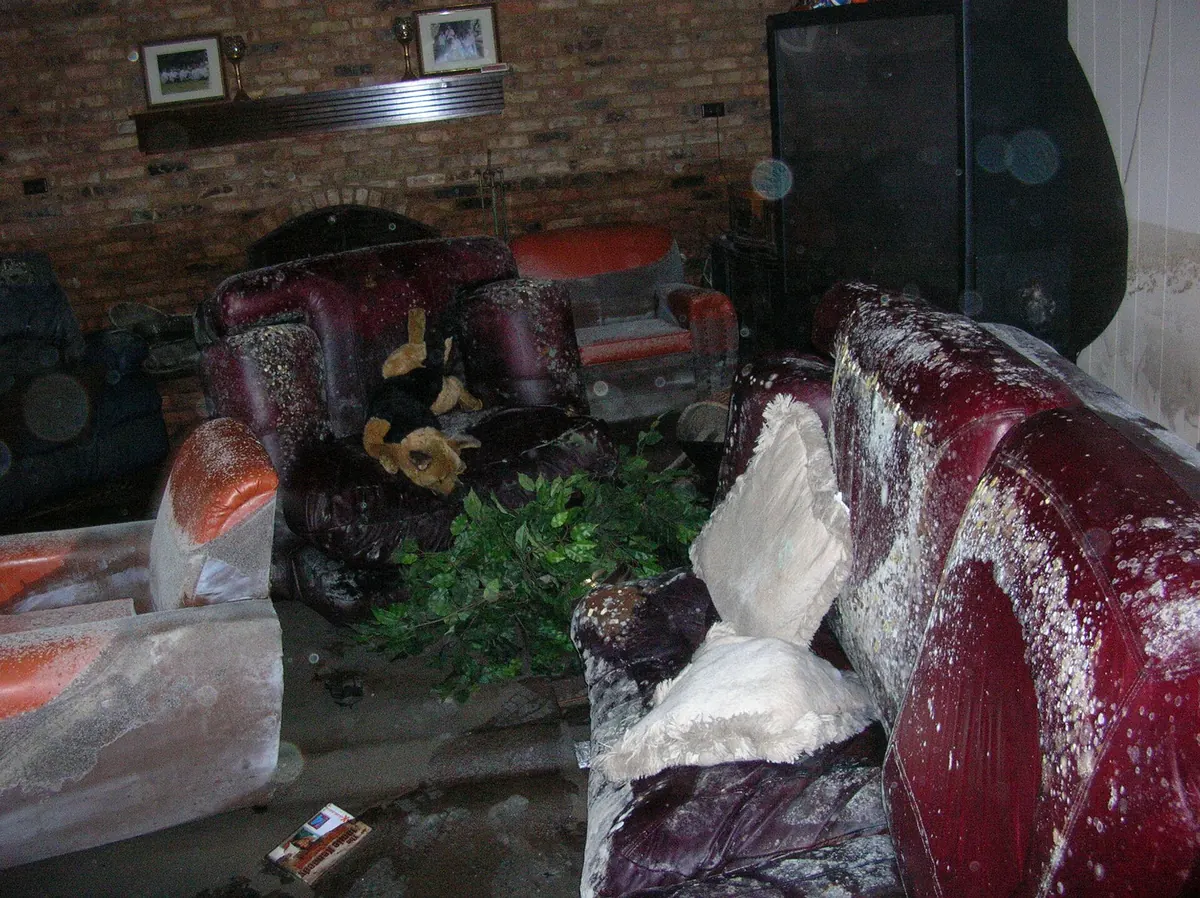
The service separates property exposed to moisture or mold for suitable cleaning and drying.
Correct the moisture problem before anything else. Your belongings and nearby building materials can be affected by leaks, high relative humidity or condensation. Keep cleaned property out of the room until it is dry.
Non-porous materials tend to be more practical to clean. With upholstery, a mattress or books, growth may remain under the surface because these items are porous. A controlled pack-out documents the property, then separates it from the work zone.
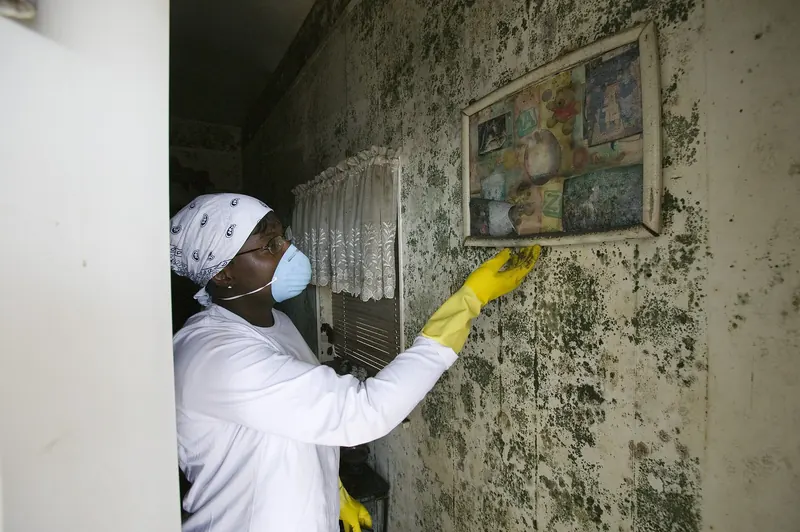
Ask for the plan to correct the source and address affected building materials.
Have any clearance testing done by an independent assessor.
Ask about HEPA filtration and movement through an occupied building, including any after-hours work.
The item list should group belongings by cleaning, specialty treatment or disposal.
Belongings may need cleaning after contact with mold, odor or dust, and sometimes ahead of structural remediation.
Different methods apply to storage boxes, electronics, delicate paper and fabric that can be washed.
Check the item and the damp wall or floor behind it before return.
Care labels and the depth of growth guide laundering, dry cleaning or disposal.
A broader ventilation or moisture issue may be indicated by growth across multiple rooms.
Address the moisture, then reduce movement while items are sorted.
Call (844) 352-3560The Mold Remediation Cost guide from Fixr lists a cleaning cost of $2 to $20 per pound for soft furnishings and contents. Material, disposal requirements, and the type and amount of property shape your scope.
No site visit was used for these ranges, which are drawn from published national cost guides. Following an on-site assessment, the property price should be explained to you before any work begins.
Ask about cost: (844) 352-3560Whether you have coverage depends on your policy and what caused the moisture. Insurers may treat sudden water differently from long-term leakage.
Policy terms may distinguish a pipe break from a slow leak.
Ask which records are required and report the incident without delay.
Under California's housing law, visible mold found by a health officer or code enforcement officer can make a rental substandard. Renters can contact their local health or code enforcement department to ask for an inspection. Payment may depend on your lease, the moisture source and the policy.
California's Toxic Mold Protection Act includes a landlord written-disclosure section (Health and Safety Code 26147). By its own wording it applies only after the state adopts mold exposure standards, and the state health department has said it could not set them. Save documentation of remediation, discarded items and the inventory.
Get a written scope that addresses storage, return, inventory and cleaning methods.
Find the source and identify affected materials. You cannot use thermal images to identify mold.
List each item as cleaned, sent for specialty care or discarded.
To limit dust spread, use poly sheeting and plan how items will move.
Controlled work areas can be filtered using a HEPA air scrubber, a type of air filtration device.
Clothes may be dry cleaned or laundered. For some other materials, a HEPA vacuum followed by damp wiping may be appropriate.
Using a dehumidifier may aid drying. Keep air movers from carrying contamination.
An assessor independent of the removal work should conduct air sampling, post-remediation verification or clearance testing.

Phone at any hour. Talk with a moldy belongings and contents cleaning specialist about what you are seeing and the steps ahead.
Furniture may stay damp inside, and moving it can spread particles elsewhere.
Dampness can remain in upholstery and on concealed surfaces. A moisture meter helps direct checking.
Mold can trigger allergy and asthma symptoms. Those with asthma, weak immune systems or lung disease face greater risk.
Using excessive water or scrubbing heavily may harm finishes, fabrics and electronic items.
Can you clean it yourself? EPA says a homeowner can often clean an area measuring under about 10 square feet. HVAC involvement, contaminated water and more extensive areas call for help from a professional.
Deeply affected porous materials are usually harder to clean than solid surfaces.

How long it takes varies by item, chosen method and when the building becomes dry enough to return property.
Treat a musty smell as a possible moisture sign. Cleaning, moisture correction and drying are still needed, even if fragrance or ozone is used.
According to EPA guidance, indoor relative humidity should stay below 60 percent and preferably within the 30 to 50 percent range. Leaks and ventilation issues need direct correction.

The full moldy belongings and contents cleaning guide covers what is cleaned or removed, odor and air quality work, and the rules that apply in your state.
Read the full moldy belongings and contents cleaning guideLocal housing, humidity and property access can shape moisture control, containment and mold cleanup planning.
Since renters make up 50 percent of occupied homes in Artesia, you should record where water entered and notify the owner in writing before cleanup covers the evidence.
The local median build year is 1966, so a small visible patch may warrant checking the adjoining ceiling, flooring, or wall for moisture from an older component.
A single-family share of 71 percent means many properties have separate attics or foundations where damp wood and insulation can remain hidden from living areas.
Because 18 percent of seniors live alone, mold work should be explained in clear stages, including leak repair, removal, drying, and follow-up humidity control.
Ask on the phone about mold cleanup for nearby ZIP codes and communities.
Mold remediation contains and removes mold growth, cleans the affected space and corrects the moisture source behind the problem.
See mold remediation
Mold cleanup clears mold from materials and surfaces, puts damaged belongings into bags and prepares the space for repair work.
See mold cleanup
Residential mold removal addresses growth in condos and houses, whether one room or multiple spaces need attention from a local crew.
See residential mold removal
Whole-house mold remediation addresses growth across multiple home areas through containment, removal, cleaning and repair planning.
See Whole-House mold remediation
With mold damage restoration, mold is removed first, then affected drywall, floors, insulation and other materials are fixed or replaced.
See mold damage restoration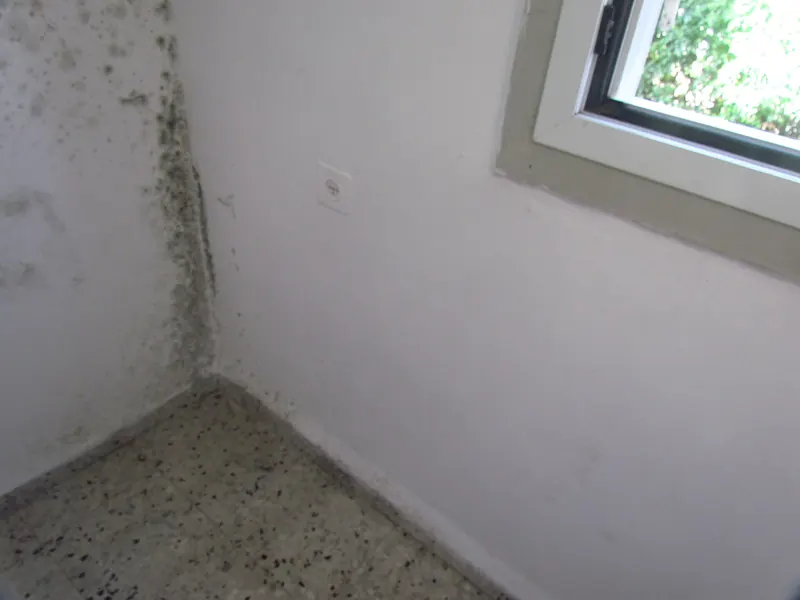
Mold odor removal means tracing a musty smell to its source and treating the affected spot against a return.
See mold odor removal
Water damage mold cleanup clears growth left by flooding or a leak, then dries the building materials to prevent a return.
See water damage mold cleanup
Rental property mold remediation removes mold in houses and units that owners or managers rent out, with notes on the work.
See rental property mold remediationNo, not always. Washable garments with minor surface growth may be laundered, while dry cleaning may be appropriate for delicate fabric. Clothing exposed to contaminated water or showing damage or deep growth may not be salvageable. When an insurance claim may be filed, list and photograph belongings before disposal.
Correct the moisture source, use the garment's care directions and make sure every item dries fully. Scented products only cover a musty smell. If odor remains after suitable cleaning and drying, the fabric may still hold affected material and needs another salvage assessment.
According to Fixr, soft furnishings and contents cost $2 to $20 per pound to clean. Your scope is affected by cleaning approach, pack-out needs, disposal, item quantity and type, and whether materials are porous. Request a full inventory and cost details that identify each source.
Clean belongings should remain apart through structural removal, final cleaning, complete drying and completion of the moisture repair. An early return risks renewed exposure to damp conditions and dust. Confirm that storage is dry and receive the independent clearance testing result before returning items when testing is included.
Cleaning is often more practical on sealed wood, metal, glass and other washable surfaces. Because growth can extend into the filling, mold removal from upholstered furniture is more challenging. Whether full cleaning and drying are practical depends on the construction, current condition and amount of growth.
Fix the moisture source, then separate affected garments from clean clothes. Check and follow the garment's care label. Laundering or dry cleaning may work for some items. Material damage, lasting odor, contaminated water exposure or growth deep in the fabric may make disposal more reasonable.
Calls about moldy belongings and contents cleaning are answered 24 hours a day, so you can receive clear and practical guidance.